Urdas
The world in one sentence — Urdas was saved once by a fallen goddess, and a thousand years later people are slowly realising that the peace has been paying its debts with futures that never got to happen.
- 987 ST
- The continent
- Overview
Urdas
The canon of Urdas — the part of it that is safe to read before you have played. Nothing here spoils the main story.
Spoiler-free
The world in one sentence — Urdas was saved once by a fallen goddess, and a thousand years later people are slowly realising that the peace has been paying its debts with futures that never got to happen.
Magic is not a privilege granted by a creator, and light and dark are not good and evil. It is a natural phenomenon plus a civilisational technology — spirits supply repeatable patterns, conductors reduce the risk, and incantation makes it teachable.
Shattered spaces are the possibilities the World Forge cut away while repairing the present. Some preserve a past where a city never fell. Some show a future where a choice was carried through.
A cross-border registry, contract guarantor and rescue service. What keeps it alive is not heroic stories but dull paperwork — who hired whom, whether the risk was stated, how many days a search runs.
The strongest centralised power on the continent. It genuinely holds back more border disasters than anyone else — and uses that fact to demand everyone accept the order it defines.
The largest medical system on the continent, and its strictest apparatus of exclusion. It has genuinely saved countless lives, and it maintains its doctrinal and political borders by deciding who deserves saving.
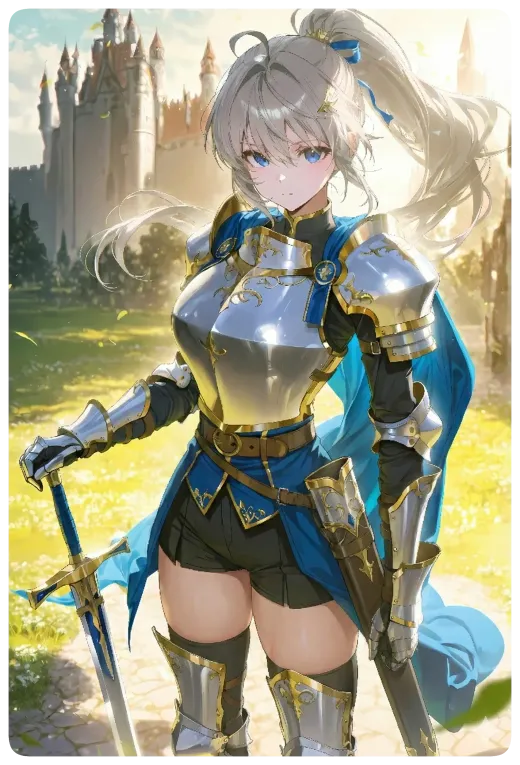
A trade-road kingdom that binds its own crown with oaths. It stays independent by making sure everyone finds an open road more profitable than swallowing each other.
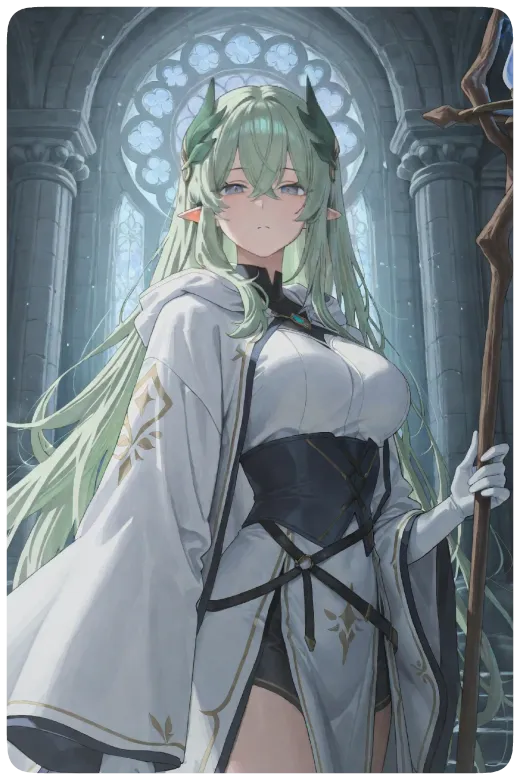
The elven forest's government, ecological stewardship and memory archive. Isolation once saved the elves; it is now letting the World Tree's sickness deepen inside institutions nobody questions.
A wartime league of city and clan formed around Abyss City. Concentrated power is what kept the exiled alive — and what keeps "survival requires it" postponing self-government and reconciliation.
Magical research, certification and accident assessment. Neutrality protects intellectual freedom — and lets the Tower keep charging both sides while one of them is being crushed.
A covert network that contains rule anomalies and runaway forbidden magic. Most nations deny it exists. Its real danger is not the kill order — it is learning to treat skipping the explanation as efficiency.
A fortified town where welcoming beginners is a survival policy rather than a slogan. You get looked after here because in a few years you may be the one on the wall.
A cross-border free city and the continent's academic centre. Any formula here may be questioned. Whether the paper questioning it covers next month's rent is a harder discipline.
The Holy State's capital and the largest medical city on the continent. It promises mercy to everyone in pain, and decides with paperwork who gets through the door first.
Capital of Lanviris and hub of the east-west trade roads. Everyone praises power bound by oaths; a handful of lords still decide what the oaths mean.
The elven heartland — a forest that relocates itself. It preserves the possibilities the continent would rather forget, and is being crushed by its own memory.
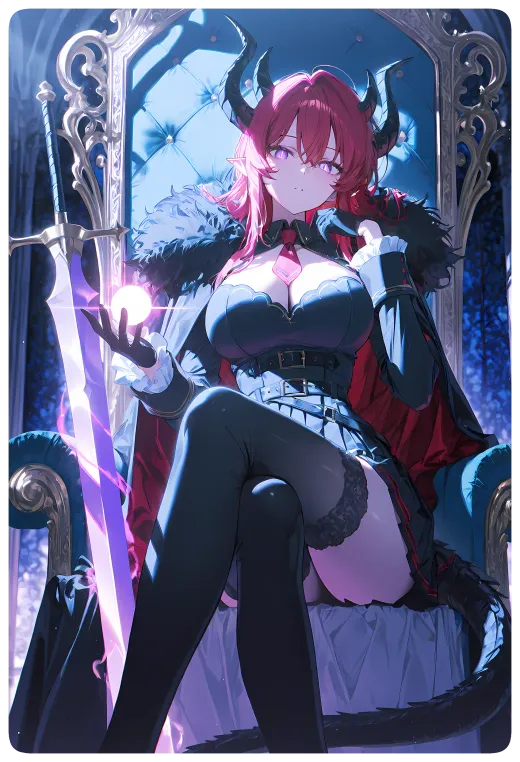
The demon capital, built inside a volcanic rift. Not a sinister fortress anyone chose, but a home the exiled have patched together in the least liveable place available.
An observation island floating inside the star vault. It looks closer to the world than anywhere else, and it is what keeps its watcher separated from every part of living in it.
The thirteen races you can pick at character creation. A racial trait describes a common physical condition or a long-standing culture, never an inescapable nature — and every advantage has a price attached.
Drawn from the KTM2 WorldDict. Only the public layer of each entry is published here.