
Forgery
Anvil-based smithing with no crafting grid — place ingredients, aim at the anvil, and strike until the step completes.
Forgery is where KTM2-specific weapons, armour, accessories and off-hand items come from. Apart from reading a blueprint, the entire process has no GUI — you place real items on a real anvil and hit them.
Controls
Everything is an interact on the anvil; which face you click decides the amount.
| Holding | Top face | Any other face |
|---|---|---|
| Materials | Place one | Place everything you are holding |
| Forging hammer | Take one back from the last filled slot | Take the whole slot back |
| Valid blueprint | Write the blueprint (item is not consumed) | Same |
| Dissolving potion | Clear the forging state (potion is consumed) | Same |
The loop
-
Read the plan. Hold a valid blueprint and press Shift + Use to open its recipe. Esc closes it.
-
Write the blueprint to the anvil. Interact with an anvil that has no blueprint. The item is not consumed — the anvil takes a copy. An empty sheet will tell you it is blank instead.
-
Place the step’s materials. Order matters. Fill the slots the current step asks for.
-
Strike. Stand level with the anvil, within about one and a half blocks, with your crosshair on the top face. If you are not aimed at the top, the game will say so. Each hammer blow adds forging progress according to the hammer’s rarity.
-
Repeat for each step until the result pops out.
Clearing a botched attempt
Hold a dissolving potion and interact with the anvil. The potion is consumed; the unused materials sitting in the anvil are not.
Breaking the anvil also clears the state, but it is tough and mines at the same speed with every tool, so this is the slow option.
Mod compatibility
Jade shows the anvil’s current state on the tooltip — whether it is waiting, which blueprint it holds, which ingredient is next, and how much progress the current step has.
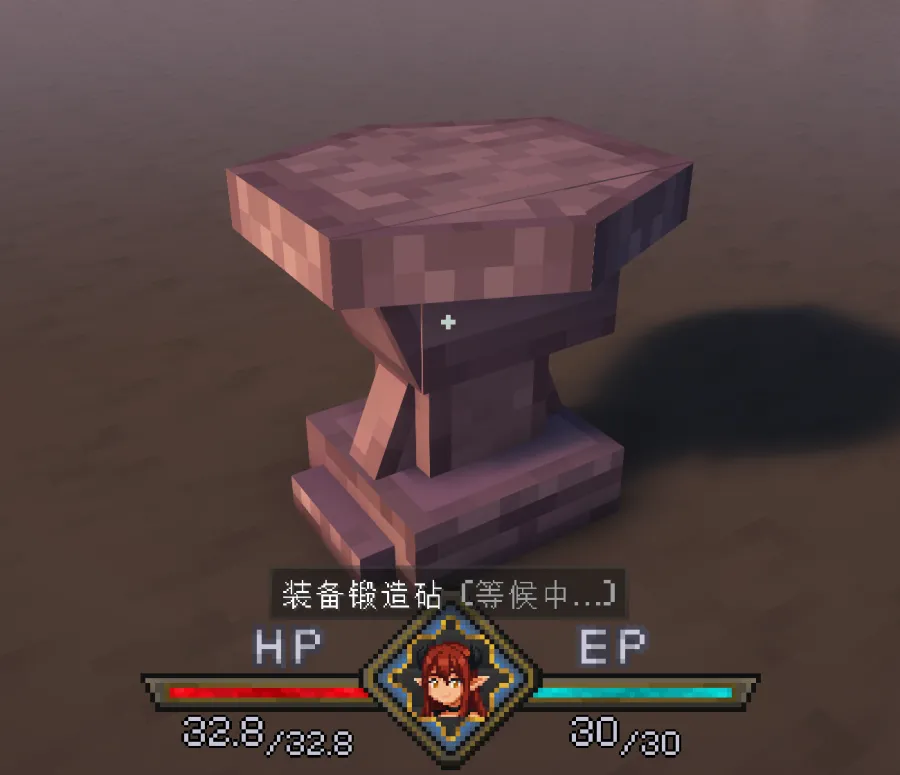
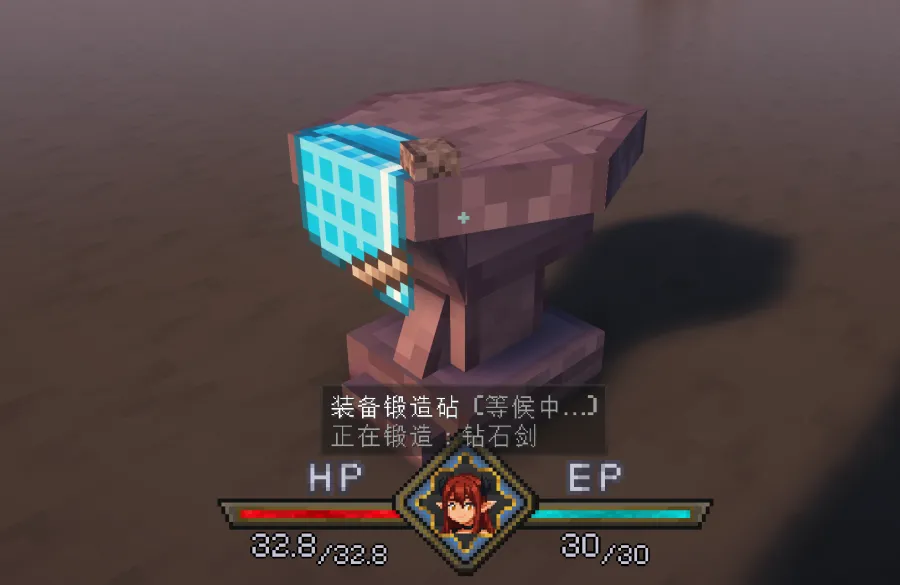
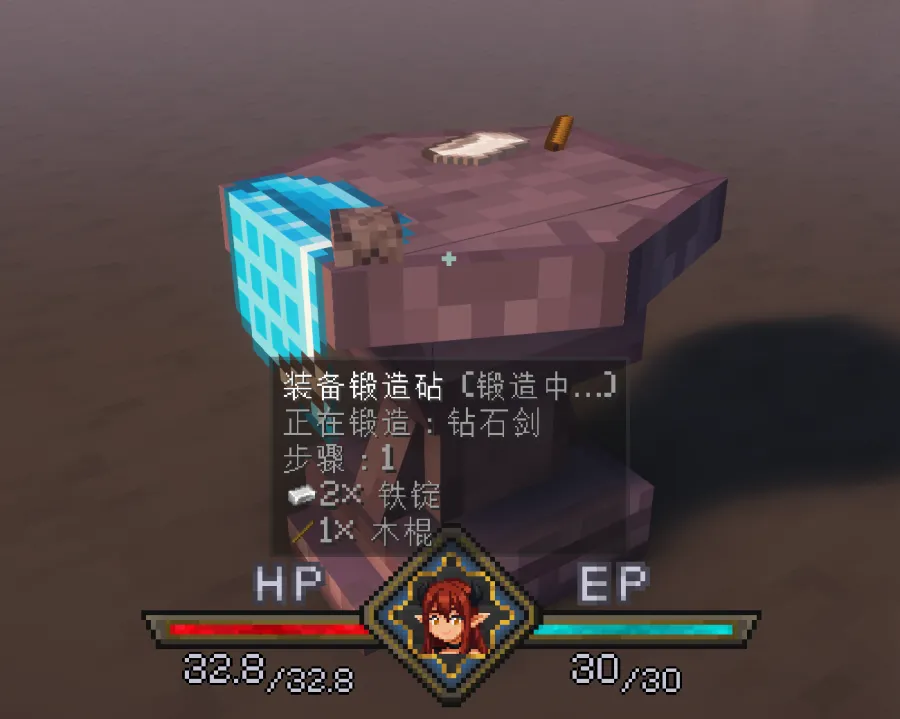
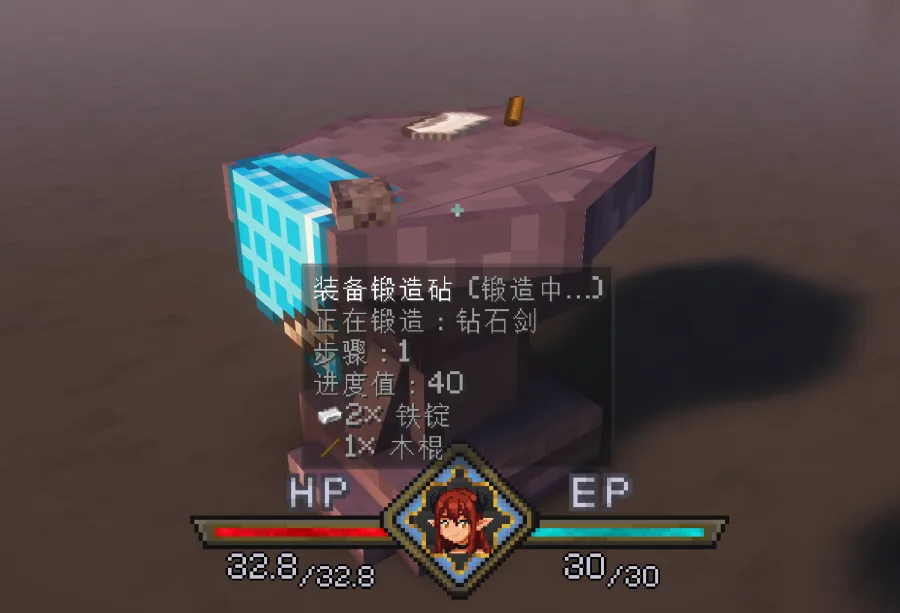
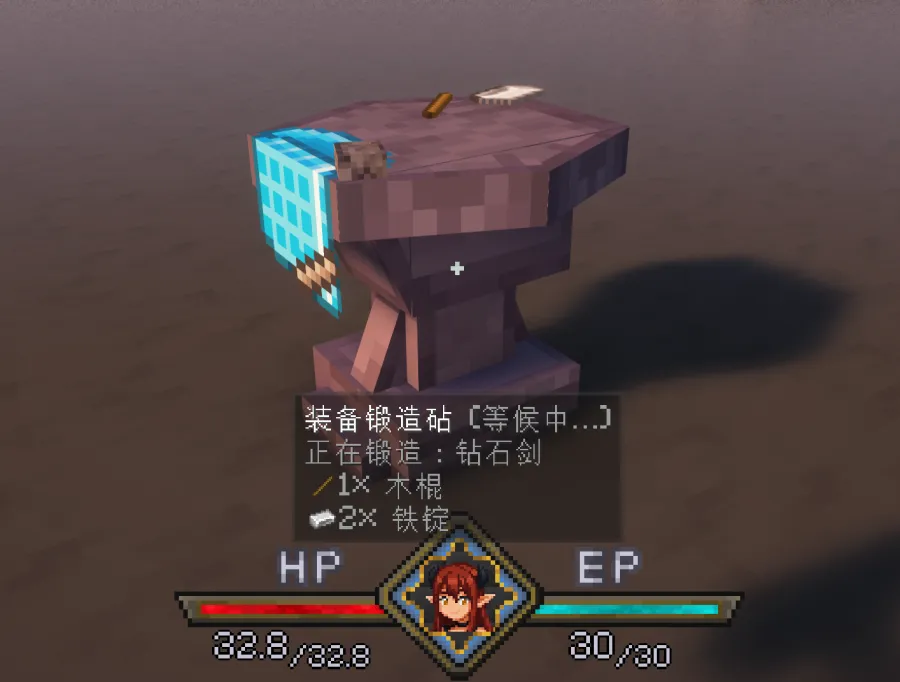
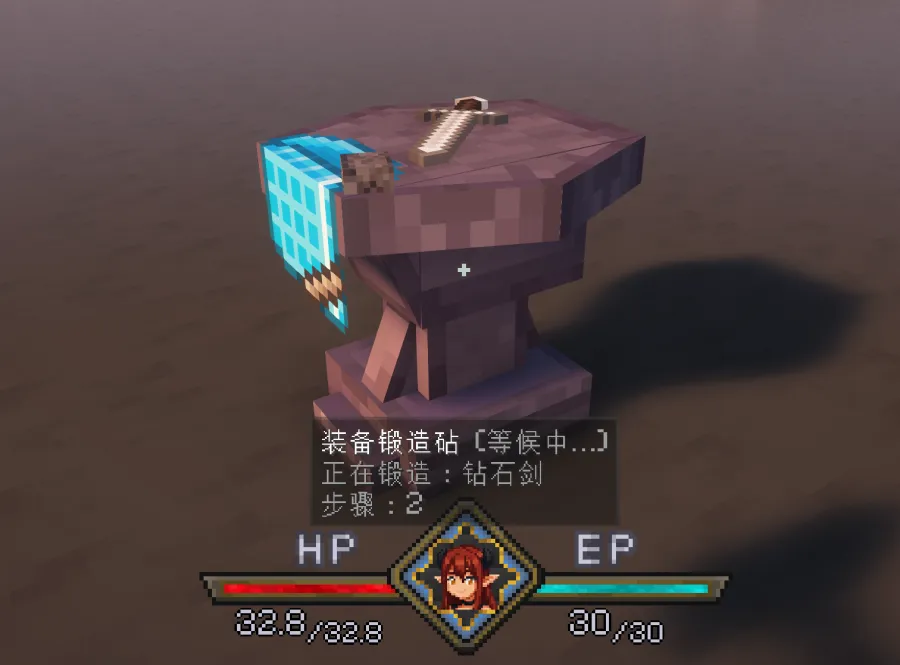
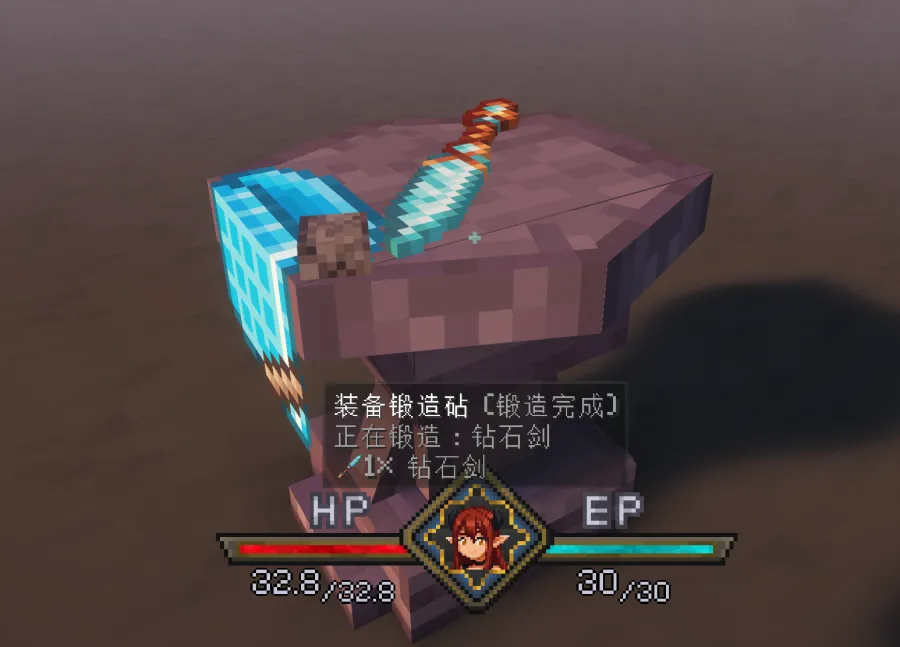
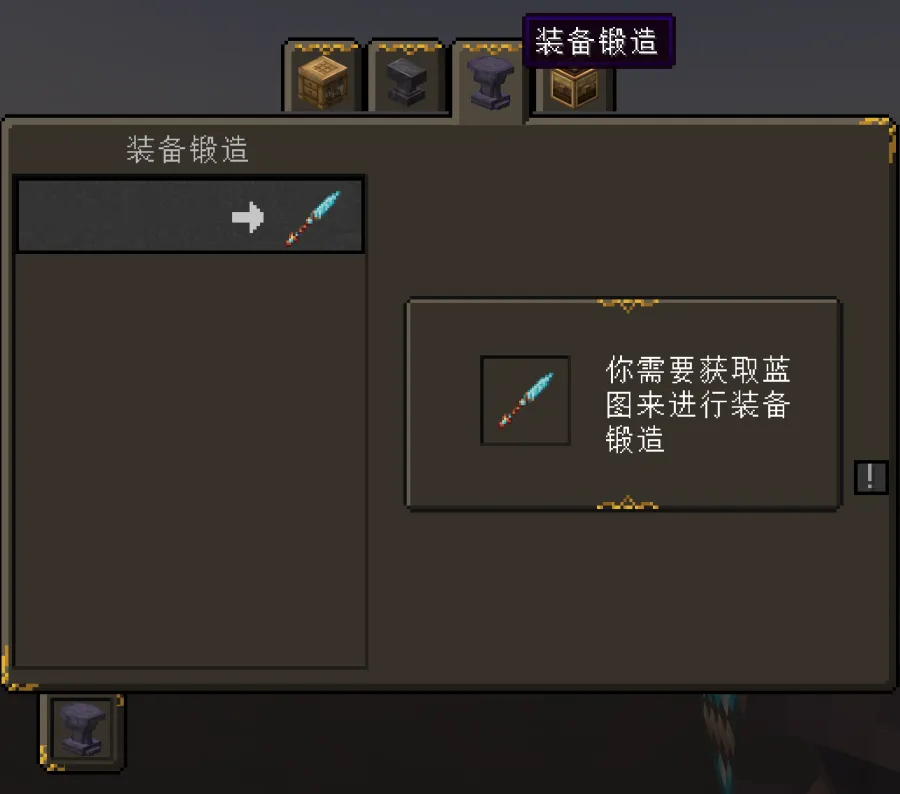
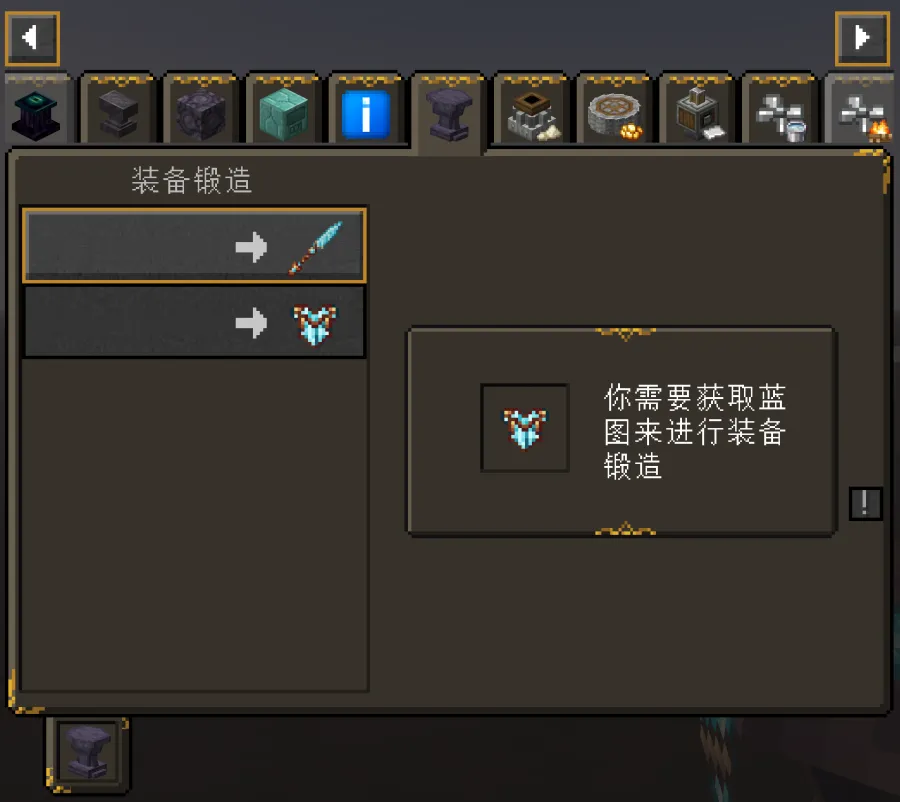
REI lists forgery recipes with their steps. You can look up what a blueprint needs without owning it.
Planned
- Dependency on and integration with alloy-forgery.
- More hammer tiers.
- Blacksmith profession compatibility: gear forged by a blacksmith gains extra item rarity, with a guaranteed floor and improved odds above it.
Recipe format
Recipes live at data/<namespace>/recipes/ise_forgery/<id>.json with type isekaiexpansion:forgery.
| Field | Meaning |
|---|---|
result | The single output item. |
steps | Ordered forging steps. Keep it to 10 or fewer — more is untested and may misbehave. |
forgery_progress | Progress required to finish this step. Each hammer contributes according to its rarity, so budget accordingly. |
ingredients | Materials for this step. Maximum 9. |
count | Amount of that material. Must fit in one stack (≤ 64). |
item | Material item id. |
should_render_ingredients | Whether to render placed material models on the anvil. |
display_item | Item id rendered as the work-in-progress. Not obtainable; presentation only. Usually omitted on the first step. |
{
  "type": "isekaiexpansion:forgery",
  "result": { "item": "minecraft:diamond_sword" },
  "steps": [
    {
      "forgery_progress": 100,
      "ingredients": [
        { "count": 2, "item": "minecraft:iron_ingot" },
        { "count": 1, "item": "minecraft:stick" }
      ],
      "should_render_ingredients": true
    },
    {
      "display_item": "minecraft:iron_sword",
      "forgery_progress": 140,
      "ingredients": [
        { "count": 3, "item": "minecraft:diamond" },
        { "count": 1, "item": "minecraft:iron_ingot" },
        { "count": 2, "item": "minecraft:slime_ball" }
      ],
      "should_render_ingredients": true
    }
  ]
}